

Spring Plant and Lawn Safety for Pets in Southport
Spring gardens in Southport look beautiful, but many common plants and treatments are dangerous to pets. Here's what to watch for as everything comes into bloom — including specific risks for rabbits and small pets.
Toxic Plants in Local Gardens
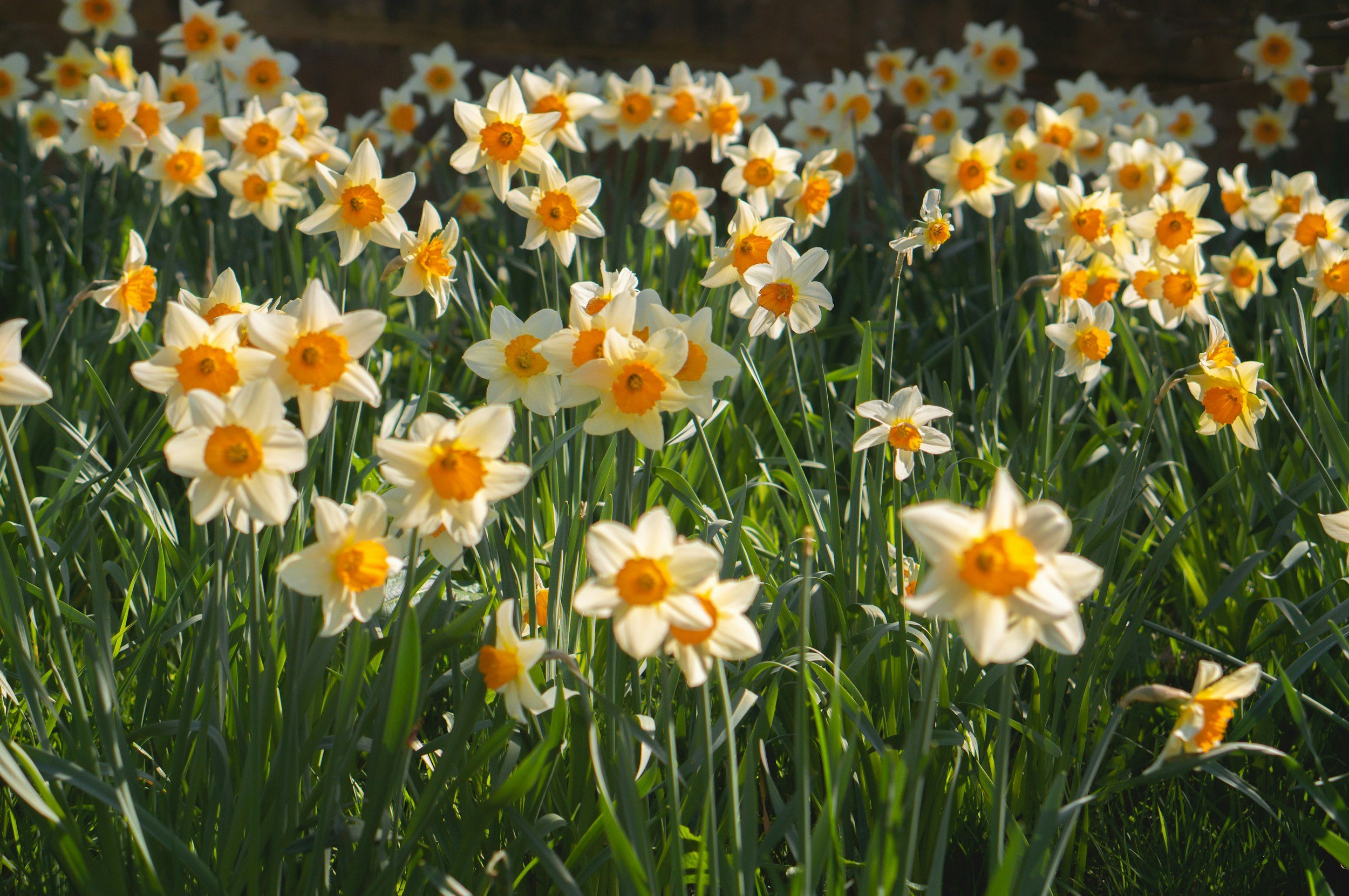
Daffodils
Every part is toxic — bulbs, stems, leaves, and flowers. The bulbs contain the highest concentration of toxins. Dogs often dig them up or chew fallen flower heads.
Signs to watch for: Vomiting, diarrhoea, drooling, abdominal pain, lethargy. In severe cases, low blood pressure and abnormal heart rhythms.
Tulips and Hyacinths
Similar to daffodils, with highest toxicity in the bulbs. Cats are particularly drawn to hyacinth flowers.
Signs to watch for: Intense drooling, vomiting, diarrhoea, depression. Skin irritation from handling bulbs.
Bluebells
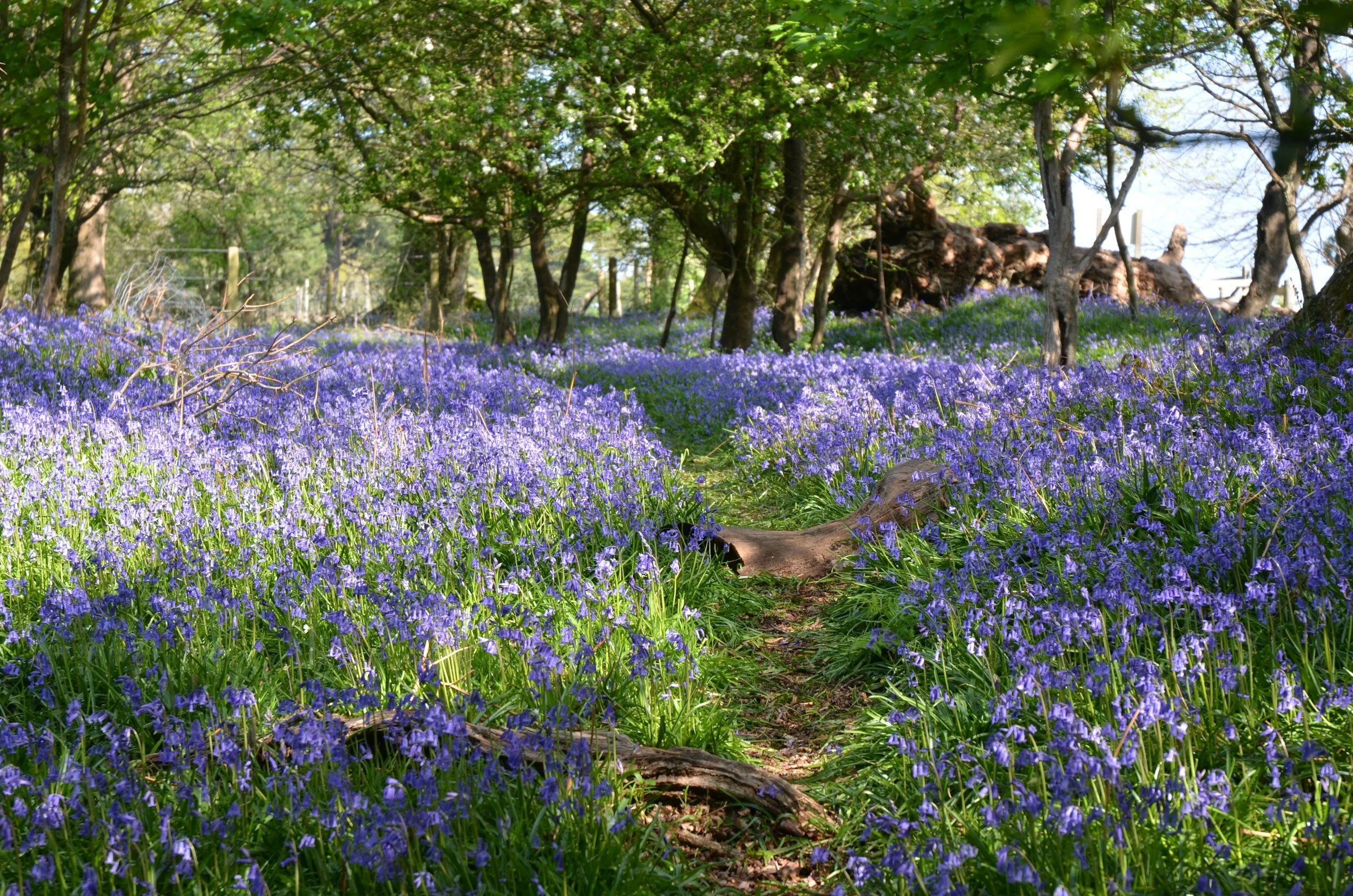
Common in woodland areas around Formby and Ainsdale. All parts contain glycosides that affect the heart.
Signs to watch for: Vomiting, diarrhoea, abdominal discomfort, irregular heartbeat.
Crocuses
Spring crocuses cause vomiting and diarrhoea. Autumn crocuses are far more dangerous — potentially fatal — though less common in gardens.
Lilies (Extremely Toxic to Cats)
Even small amounts cause kidney failure. Pollen on fur, water from the vase, or a few petals can be enough. If you have cats, avoid lilies entirely.
Signs to watch for: Vomiting, lethargy, loss of appetite, increased thirst, kidney failure within 24-72 hours.
Azaleas and Rhododendrons
Common in established Southport gardens. All parts contain grayanotoxins.
Signs to watch for: Vomiting, diarrhoea, weakness, heart problems, potentially coma.
Foxgloves
Beautiful but dangerous. Digitalis affects the heart.
Signs to watch for: Vomiting, diarrhoea, weakness, abnormal heart rate, collapse.
Specific Risk for Rabbits and Small Pets
Rabbits, guinea pigs, and other small pets graze constantly. Unlike dogs and cats, they cannot vomit, so toxins stay in their system. Even small amounts of toxic plants can be fatal.
Particular dangers:
Daffodil and tulip bulbs — often unearthed in garden beds
Bluebells — common in areas where rabbits might forage
Foxgloves and rhododendrons — leaves drop into outdoor runs
Prevention: Supervise outdoor time, check runs daily for fallen plant material, and ensure grazing areas are free from toxic plants before allowing access.
Lawn Treatments and Weedkillers
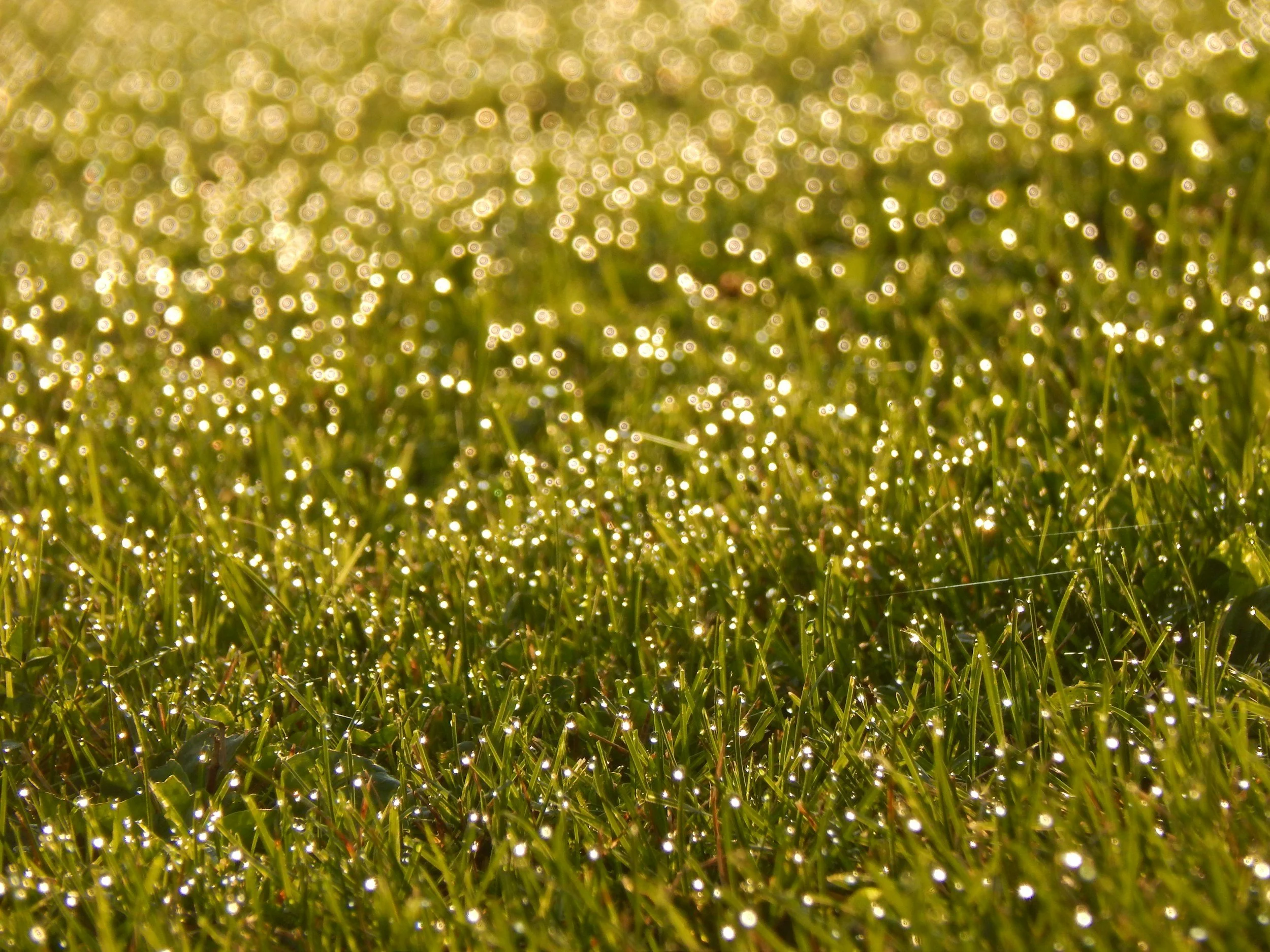
Many homeowners treat lawns in April. These chemicals irritate paws and cause serious harm if licked off fur or paws. Keep pets off treated grass for at least 48 hours — longer if possible.
Tip: Rinse paws after walks if you're unsure what's been used locally.
If You Suspect Poisoning
Remove your pet from the area
Check their mouth — remove plant material if safe
Note what they ate — take a photo if unsure
Call your vet immediately
Never wait for symptoms to worsen. Quick action makes a significant difference.
A quiet note: If you're facing the loss of a pet this spring, I'm here to help make the next steps gentle and straightforward. No pressure, ever.
📞 07746 883124
